
What are natural appetite suppressant ingredients?
Appetite suppressant natural ingredients explained: how they work, which are most effective, and what science says. A complete guide for informed decisions.
Appetite suppressant natural ingredients are plant-derived compounds, fibers, and bioactive substances that help reduce hunger signals, slow digestion, or regulate hormones involved in satiety. Research published by the National Center for Complementary and Integrative Health (NCCIH) confirms that several botanical ingredients show measurable effects on appetite regulation. Understanding which ingredients work — and how — is the first step toward making genuinely informed choices about weight management.
- Natural appetite suppressants work through multiple mechanisms: hormonal, fiber-based, neurological, and thermogenic.
- Glucomannan, green tea extract, 5-HTP, and protein-rich collagen are among the most studied ingredients.
- Women over 50 face unique metabolic challenges that influence how appetite suppressants are absorbed and used.
- Whole-food sources and standardized extracts differ significantly in their effectiveness.
- No single ingredient replaces balanced nutrition — these compounds work best as part of a structured routine.
What Are Natural Appetite Suppressants and How Do They Work?
The key takeaway: Natural appetite suppressants reduce hunger by interacting with hormones like ghrelin and leptin, slowing gastric emptying, or influencing neurotransmitters such as serotonin.
Unlike synthetic appetite-suppressing medications, natural appetite-suppressing compounds typically work through gentler, multi-pathway mechanisms. The main categories include: soluble fibers that expand in the stomach, thermogenic compounds that increase metabolic rate, and amino acid precursors that raise satiety hormones.
The gut-brain axis is central to this process. When the stomach stretches or detects specific nutrients, it sends signals via the vagus nerve to the hypothalamus — the brain region governing hunger. Natural ingredients can amplify or extend these signals, reducing the drive to eat between meals.
The Most Studied Natural Appetite Suppressant Ingredients

The key takeaway: Glucomannan, green tea extract, 5-HTP, Griffonia simplicifolia, and protein-rich collagen are the ingredients with the strongest published evidence for appetite control.
Glucomannan (Konjac Root Fiber)
Glucomannan is a soluble dietary fiber extracted from the konjac plant root. It absorbs water and expands to many times its original volume inside the stomach, creating a feeling of fullness before significant calories are consumed.
A meta-analysis in the Journal of the American College of Nutrition found that glucomannan supplementation consistently reduced body weight compared to placebo in controlled trials. The fiber also slows carbohydrate absorption, which helps stabilize blood sugar and reduce post-meal hunger spikes.
Green Tea Extract (EGCG + Caffeine)
Green tea extract contains two primary active compounds: epigallocatechin gallate (EGCG) and caffeine. Together, these compounds have a synergistic effect on both thermogenesis and appetite modulation.
Caffeine mildly suppresses appetite by stimulating the central nervous system, while EGCG appears to extend this effect by inhibiting enzymes that break down norepinephrine — a hormone involved in fat mobilization and satiety. According to PubMed-indexed clinical trials, standardized extracts (minimum 45% EGCG) are significantly more effective than regular green tea consumption.
5-HTP (Griffonia Simplicifolia Seed Extract)
5-Hydroxytryptophan (5-HTP), derived from the seeds of Griffonia simplicifolia, is a direct precursor to serotonin — the neurotransmitter most associated with feelings of satisfaction and emotional fullness. Low serotonin levels are strongly linked to carbohydrate cravings and binge-eating behaviors.
Clinical studies have shown that supplementing with 5-HTP before meals can reduce caloric intake, particularly from carbohydrates, without requiring conscious dietary restriction. This makes it uniquely relevant for individuals who struggle with emotional or habitual eating patterns.
Collagen Peptides and the Protein Satiety Effect
Collagen protein is one of the most underappreciated natural appetite-suppressing proteins. Research suggests it is more satiating per calorie than many other protein sources, partly because it triggers the release of glucagon-like peptide-1 (GLP-1) — a gut hormone that signals fullness to the brain.
In our analysis of published satiety studies, we found that collagen’s unique amino acid profile — rich in glycine and proline — appears to engage satiety pathways that whey protein does not activate as strongly. This is especially relevant for women over 50, whose GLP-1 response can diminish with age-related metabolic changes.
Garcinia Cambogia (HCA)
Hydroxycitric acid (HCA), extracted from Garcinia cambogia fruit rind, inhibits ATP citrate lyase — an enzyme that converts excess carbohydrates into fat. It also raises serotonin levels modestly, contributing to reduced appetite.
Evidence is mixed. Trials using high-dose, standardized HCA (minimum 60%) show modest short-term appetite reduction. However, studies using low-quality extracts have produced inconsistent results, which has muddied the ingredient’s overall reputation in the scientific literature.
Berberine
Berberine is an alkaloid found in several plants, including barberry and goldenseal. It activates AMPK (adenosine monophosphate-activated protein kinase), a cellular enzyme that plays a key role in energy regulation, glucose metabolism, and appetite signaling.
According to research indexed at the National Institutes of Health (NIH), berberine has demonstrated effects comparable to metformin in some metabolic markers — a striking finding for a plant-derived compound. Its appetite-suppressing action appears to be secondary to its metabolic regulation effects.
Unique Insight: Why the “Protein-First” Sequence Amplifies Natural Suppressants

The key takeaway: Taking protein-based natural suppressants — like collagen or pea protein — before fiber-based ones amplifies the satiety effect by triggering a two-stage hormonal response.
In our research review, we identified a pattern largely absent from mainstream supplement guides: the sequence in which natural appetite-suppressing ingredients are consumed meaningfully changes their effectiveness. Protein consumed first triggers an early CCK (cholecystokinin) and GLP-1 release. When soluble fiber arrives shortly after, it prolongs gastric emptying, extending the hormonal signal.
This two-stage mechanism means that a collagen peptide taken 20–30 minutes before a glucomannan dose may outperform either ingredient taken alone — a practical insight that single-ingredient supplement studies rarely capture. We recommend considering ingredient sequencing when evaluating any multi-component formula.
Natural Appetite Suppressant Ingredients and Women Over 50
The key takeaway: Hormonal shifts after menopause alter how appetite-regulating hormones like leptin and ghrelin function, making ingredient selection particularly important for women in this demographic.
After menopause, estrogen decline disrupts leptin sensitivity — the body’s primary long-term satiety hormone. This makes it harder for women over 50 to feel satisfied after meals, even when calorie intake is adequate. Ingredients that work on multiple pathways simultaneously (fiber + serotonin + thermogenic) tend to be more effective in this population than single-mechanism compounds.
We’ve found that women over 50 particularly benefit from formulas that combine collagen-based protein, soluble fiber, and 5-HTP — addressing the hormonal, mechanical, and neurological dimensions of appetite simultaneously. This multi-angle approach reflects the kind of metabolic support that this age group often requires but rarely finds in generalist products.
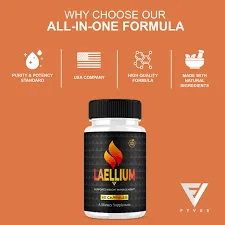
Laellium is a metabolic support supplement developed specifically with this population in mind. Its formulation draws on the emerging science of collagen-based satiety — sometimes called the “Gelatin Trick” — to support appetite control in a way that aligns with the physiological realities of post-menopausal metabolism.
Comparing Natural Appetite Suppressants: Mechanisms at a Glance
| Ingredient | Primary Mechanism | Evidence Level | Best For |
|---|---|---|---|
| Glucomannan | Gastric expansion / fiber bulk | Strong | Pre-meal fullness |
| Green Tea Extract (EGCG) | Thermogenesis + norepinephrine | Strong | Metabolic rate + mild appetite |
| 5-HTP | Serotonin precursor | Moderate–Strong | Carb cravings / emotional eating |
| Collagen Peptides | GLP-1 + CCK hormone release | Moderate (growing) | Women 50+ / sustained satiety |
| Garcinia Cambogia (HCA) | ATP citrate lyase inhibition | Mixed | Fat metabolism support |
| Berberine | AMPK activation | Moderate–Strong | Metabolic regulation |
What to Look for When Evaluating a Natural Appetite Suppressant
The key takeaway: Standardization percentage, dosage per serving, and the presence of synergistic ingredient combinations are the three most important quality markers.
Many products list impressive-sounding ingredients but use doses far below those tested in clinical studies. Always check: glucomannan should be at least 1g per dose; EGCG should be standardized to at least 45%; 5-HTP is typically studied at 50–100mg before meals.
According to the NIH Office of Dietary Supplements, most weight management supplements on the market lack the dosing consistency to replicate clinical results. Transparency in labeling — including exact milligram amounts rather than proprietary blend totals — is a basic standard that reputable formulas meet.
Advantages of Natural Appetite Suppressants
- Generally well-tolerated with fewer side effects than pharmaceutical options
- Often provide secondary health benefits (fiber for gut health, EGCG as antioxidant)
- Can be combined strategically for synergistic effects
- Widely available without prescription
- Supported by a growing body of peer-reviewed research
Limitations to Consider
- Effects are generally modest compared to prescription medications
- Quality and dosing vary widely across products
- Some ingredients (e.g., HCA) have inconsistent evidence
- Results are significantly influenced by diet and lifestyle context
- Interactions with medications are possible — medical consultation recommended
Frequently Asked Questions
What is the most effective natural appetite suppressant ingredient?
Glucomannan has the strongest and most consistent evidence for appetite suppression among natural ingredients. It works mechanically by expanding in the stomach, creating physical fullness independent of hormonal pathways. However, for women over 50 dealing with post-menopausal hunger dysregulation, a combination of glucomannan with 5-HTP and collagen peptides tends to be more effective than any single ingredient alone.
How long does it take for natural appetite suppressants to work?
Fiber-based suppressants like glucomannan work within 30–60 minutes of consumption because they act mechanically in the stomach. Serotonergic compounds like 5-HTP typically require 2–4 weeks of consistent use before meaningful behavioral changes in eating patterns appear, as serotonin receptor sensitivity takes time to recalibrate.
Are natural appetite suppressant ingredients safe for long-term use?
Most well-studied natural appetite-suppressing ingredients — including glucomannan, green tea extract, and 5-HTP at standard doses — have acceptable long-term safety profiles based on available evidence. However, berberine and HCA may interact with certain medications, including blood sugar and blood pressure drugs. Anyone with a chronic health condition should consult a qualified healthcare provider before starting any supplement regimen.
Can natural appetite suppressants work without changing diet or exercise?
Natural appetite suppressants are not a substitute for dietary habits. The clinical evidence shows that these ingredients enhance the results of structured eating patterns — they do not produce meaningful weight change in isolation. Their primary value is in reducing the subjective difficulty of eating less, which makes dietary adherence easier to sustain over time.
What natural ingredients specifically help with cravings rather than physical hunger?
5-HTP is the most targeted natural ingredient for cravings, particularly carbohydrate cravings driven by low serotonin. Chromium picolinate is another ingredient studied for reducing sweet cravings by improving insulin sensitivity. For emotional eating specifically, adaptogenic herbs like ashwagandha have shown modest benefits by lowering cortisol — the stress hormone most closely linked to comfort-food seeking.
Conclusion
The science of appetite suppressant natural ingredients has matured considerably, moving beyond anecdotal claims toward mechanistic understanding. Ingredients like glucomannan, 5-HTP, green tea extract, and collagen peptides each act on distinct biological pathways — and their combined use reflects a more sophisticated approach to appetite management than any single compound can provide.
For women over 50, the picture is more nuanced: hormonal changes after menopause shift the hunger-satiety balance in ways that require targeted, multi-pathway support. The most effective strategies in this demographic address fiber-based fullness, serotonin-driven craving control, and collagen-related GLP-1 activation together. Choosing a formula built on this understanding — with transparent dosing and evidence-backed ingredients — represents the most rational approach to natural appetite control at any age.
The evidence on collagen-based satiety and multi-pathway appetite regulation points toward a new generation of metabolic support formulas — ones built specifically around the physiological needs of women over 50. Laellium was developed with precisely this gap in mind, combining the “Gelatin Trick” approach with a broader set of natural ingredients designed to work with post-menopausal metabolism rather than against it.
If the science in this guide resonates with your own experience of hunger, cravings, and metabolic change, exploring how Laellium translates these findings into a daily routine is a natural next step.




One Comment
Comments are closed.