Gelatin Trick for Weight Loss: Science Behind the Ancient Secret
The gelatin trick weight loss method explained by science: how collagen protein curbs appetite, supports metabolism, and aids fat loss. Full guide inside.
The gelatin trick weight loss method centers on using gelatin — a protein derived from collagen — to reduce hunger, stabilize blood sugar, and support a healthier metabolism. Because gelatin is nearly pure protein with almost no carbohydrate or fat, it triggers satiety signals that help people naturally eat less without extreme restriction.
Key Takeaways
- Gelatin is ~85–90% protein, which promotes fullness and preserves lean muscle during weight loss.
- The gelatin trick works mainly through appetite suppression and improved satiety, not fat-burning magic.
- Clinical research links high-protein intake to reduced daily calorie consumption.
- Older adults — especially women over 50 — may benefit most because protein needs rise with age.
- Gelatin is a supporting tool, not a standalone cure; results depend on total diet and activity.
What Is the Gelatin Trick for Weight Loss?
The key takeaway: The gelatin trick is the practice of consuming gelatin — usually before meals — to feel fuller sooner and consume fewer overall calories.
Gelatin is a partially hydrolyzed form of collagen, the structural protein found in animal skin, bones, and connective tissue. When dissolved and cooled, it forms the familiar gel texture, but nutritionally it delivers a concentrated dose of protein with virtually zero sugar.
The concept traces back generations, when bone-derived broths and gelatinous stocks were dietary staples. Modern interest revived it as a low-calorie, high-satiety strategy that fits within intermittent fasting and low-carbohydrate eating patterns.
How Does the Gelatin Trick Work? The Science Explained

In summary: Gelatin supports weight loss primarily by increasing satiety hormones and slowing digestion, which reduces the total calories you consume throughout the day.
Protein is the most filling macronutrient. Research published through the National Library of Medicine / PubMed (2008) shows that gelatin protein specifically produces strong feelings of fullness compared with other protein sources.
When you eat gelatin, it stimulates the release of appetite-regulating hormones such as GLP-1 and PYY, which signal the brain that you are satisfied. This effect can blunt cravings and reduce snacking between meals.
The Satiety and Hormone Mechanism
Gelatin digests more slowly than sugars, producing a gradual, steady feeling of fullness rather than a quick spike and crash. According to the Harvard T.H. Chan School of Public Health, higher-protein diets consistently correlate with better appetite control and easier weight maintenance.
By occupying stomach volume and slowing gastric emptying, gelatin extends the interval before hunger returns. This is the physiological engine behind the gelatin trick weight loss claim.
Preserving Lean Muscle During Fat Loss
Adequate protein intake protects lean muscle mass while the body burns fat. This matters because muscle is metabolically active tissue — retaining it helps keep resting energy expenditure higher during a calorie deficit.
Benefits of Gelatin for Weight Management

The key takeaway: Beyond appetite control, gelatin offers joint, skin, and gut-lining support — benefits that matter for sustainable weight loss, particularly in midlife.
Gelatin is rich in the amino acids glycine and proline, which support connective tissue and may aid digestion. For anyone increasing physical activity to lose weight, joint comfort is a practical advantage.
Pros
- Strong appetite suppression from high protein density
- Near-zero sugar and carbohydrate
- Supports skin, joints, and gut lining via glycine
- Inexpensive and easy to add to meals
- Fits low-carb, keto, and fasting protocols
Cons
- Not a complete protein — lacks some essential amino acids
- No effect without an overall calorie deficit
- Flavored commercial gelatin often contains added sugar
- Results vary between individuals
For readers exploring how ingredients curb hunger, our guide on natural appetite suppressant ingredients expands on how protein and fiber work together to reduce cravings.
“Protein increases satiety to a greater extent than carbohydrate or fat and may facilitate a reduction in energy intake.”
— Dr. Thomas L. Halton, Harvard School of Public Health, Journal of the American College of Nutrition
Why Women Over 50 May Benefit Most
In summary: Age-related muscle loss and slower metabolism make higher protein intake especially valuable for women in and after menopause — a group the gelatin trick is well suited to serve.
After 50, the body loses muscle more rapidly and requires more protein to maintain it, a condition known as sarcopenia. Hormonal shifts during menopause also tend to redistribute fat toward the midsection.
In our editorial analysis of midlife weight-management strategies, we’ve found that satiety-focused approaches — rather than aggressive calorie cutting — tend to be more sustainable for this age group. Gelatin fits neatly into that framework because it adds protein without meaningful calories.
Readers navigating this stage may also find value in our overview of the best solutions for menopausal weight gain, which addresses the hormonal factors at play.
How to Use the Gelatin Trick Correctly
The key takeaway: Consume unflavored gelatin dissolved in warm liquid roughly 20–30 minutes before a main meal to maximize the appetite-suppressing effect.
Timing matters. Taking gelatin ahead of a meal gives satiety signals time to register, so you naturally serve and eat smaller portions.
| Method | How to Use | Best For |
|---|---|---|
| Pre-meal drink | 1 tbsp unflavored gelatin in warm water, 20–30 min before eating | Portion control |
| Morning collagen coffee | Stir gelatin/collagen into coffee or tea | Curbing mid-morning cravings |
| Homemade gelatin snack | Set gelatin with fruit or unsweetened juice | Replacing sugary desserts |
| Bone broth | Sip nutrient-dense broth as a light meal | Fasting windows |
Our Unique Insight: Gelatin as a Craving “Circuit Breaker”
The key takeaway: Most guides frame gelatin only as a filler — we view it as a behavioral circuit breaker that interrupts the reward loop of impulsive snacking.
In our review of appetite research, the overlooked benefit isn’t merely stomach volume — it’s the delay gelatin creates between an impulse to snack and the act of eating. That short pause, reinforced by rising satiety hormones, often eliminates the craving entirely.
We recommend pairing the pre-meal gelatin drink with a two-minute wait before deciding to snack. This small ritual leverages both the physiological and psychological components of hunger, which is where many single-nutrient tricks fall short.
Regulatory bodies have also begun recognizing specific food ingredients for weight-management support, as covered in this report on a special food additive approved to help prevent weight gain.
Common Mistakes and Safety Considerations
In summary: The gelatin trick fails when people rely on sugary flavored products, expect fat-burning without a calorie deficit, or ignore protein quality.
Commercial dessert gelatins often carry added sugar that undermines the goal entirely — always choose unflavored or sugar-free forms. Quality also matters; poorly sourced supplements can carry contaminants, an issue documented in reporting on errant health supplements flagged by customs authorities.
Because gelatin is an incomplete protein, it should complement — not replace — other protein sources like eggs, fish, and legumes.
Conclusion
The key takeaway: The gelatin trick for weight loss is a legitimate, science-supported strategy for appetite control — most effective when paired with a balanced diet and consistent activity.
Gelatin’s high protein density, low calorie load, and satiety-boosting effects make it a practical ally, especially for women over 50 facing metabolic and hormonal changes. It works best as one dependable habit within a larger sustainable routine rather than a standalone solution.
Understanding the mechanism — appetite regulation through protein and satiety hormones — helps set realistic expectations and turns an “ancient secret” into an evidence-informed daily practice.
Frequently Asked Questions
What is the gelatin trick for weight loss?
The gelatin trick is the practice of consuming unflavored gelatin, usually before meals, to increase fullness and reduce total calorie intake. Gelatin is nearly pure protein, which triggers satiety hormones that help control appetite naturally.
How does gelatin help you lose weight?
Gelatin promotes weight loss by increasing satiety, slowing digestion, and stimulating appetite-regulating hormones like GLP-1 and PYY. This reduces snacking and overall calorie consumption, while its protein content helps preserve lean muscle during a calorie deficit.
How much gelatin should you take per day?
Most approaches use about 1–2 tablespoons (roughly 10–20 grams) of unflavored gelatin daily, often dissolved in warm water before a main meal. Individual needs vary, so it is best to start small and consult a healthcare provider if you have existing health conditions.
Is the gelatin trick safe for women over 50?
For most healthy women over 50, gelatin is generally safe and may be especially helpful because protein needs rise with age. Those with kidney disease or on restricted-protein diets should speak with a doctor before increasing protein intake.
Does gelatin burn fat directly?
No. Gelatin does not burn fat directly; it supports weight loss indirectly by reducing appetite and helping maintain muscle. Actual fat loss still requires an overall calorie deficit through diet and activity.
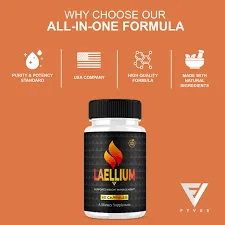
If the science behind the gelatin trick resonates with you, the natural next step is a formula built around it. Laellium is a metabolic-support supplement designed specifically for women over 50, using ingredients rooted in the “Gelatin Trick” to support appetite control and healthy weight management — backed by a 60-day satisfaction guarantee.
Explore how the science translates into a daily routine and see whether it fits your goals.