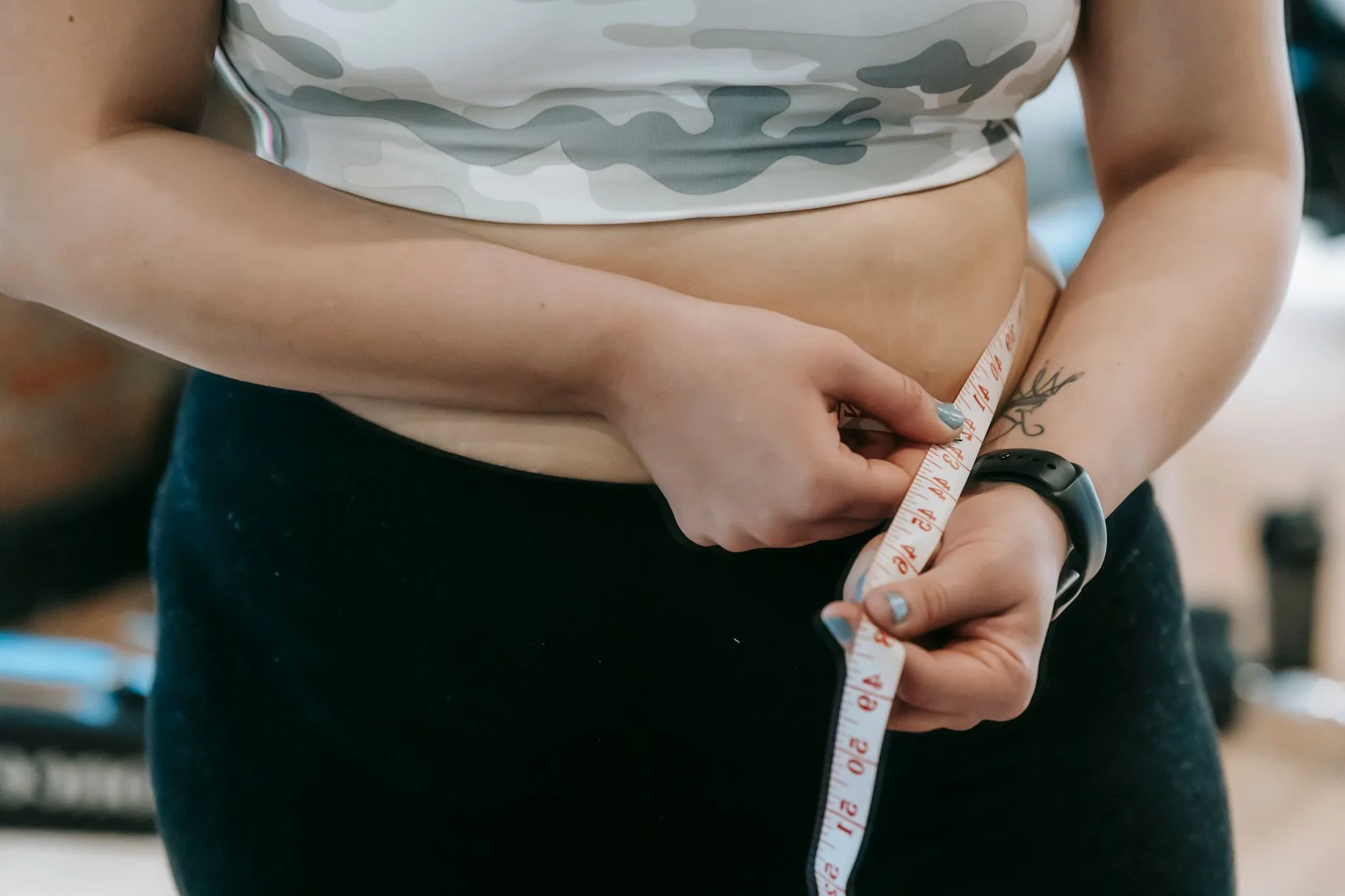
What are the best solutions for menopausal weight gain?

Menopausal weight gain solutions explained: why it happens after 50 and the diet, exercise, and metabolic strategies that actually work. Read the full guide.
The most effective menopausal weight gain solutions combine protein-forward nutrition, resistance training, quality sleep, and stress management to counteract the hormonal shifts that slow metabolism after 50. No single fix works alone — the women who succeed treat weight change as a metabolic problem, not a willpower problem.
Weight gain during menopause is driven by declining estrogen, muscle loss, and a metabolic rate that drops roughly 1-2% per decade. Understanding those root causes is what turns frustration into a realistic, sustainable plan.
Key Takeaways
- Menopausal weight gain averages 1.5 lbs per year during the transition, mostly around the abdomen, according to endocrine research.
- Declining estrogen shifts fat storage from hips to belly and reduces resting metabolic rate.
- Resistance training preserves muscle — the single biggest lever for keeping metabolism active after 50.
- Protein intake of 1.2-1.6g per kg of body weight helps counter age-related muscle loss.
- Sleep and cortisol management are as important as diet for controlling abdominal fat.
What Causes Weight Gain During Menopause?
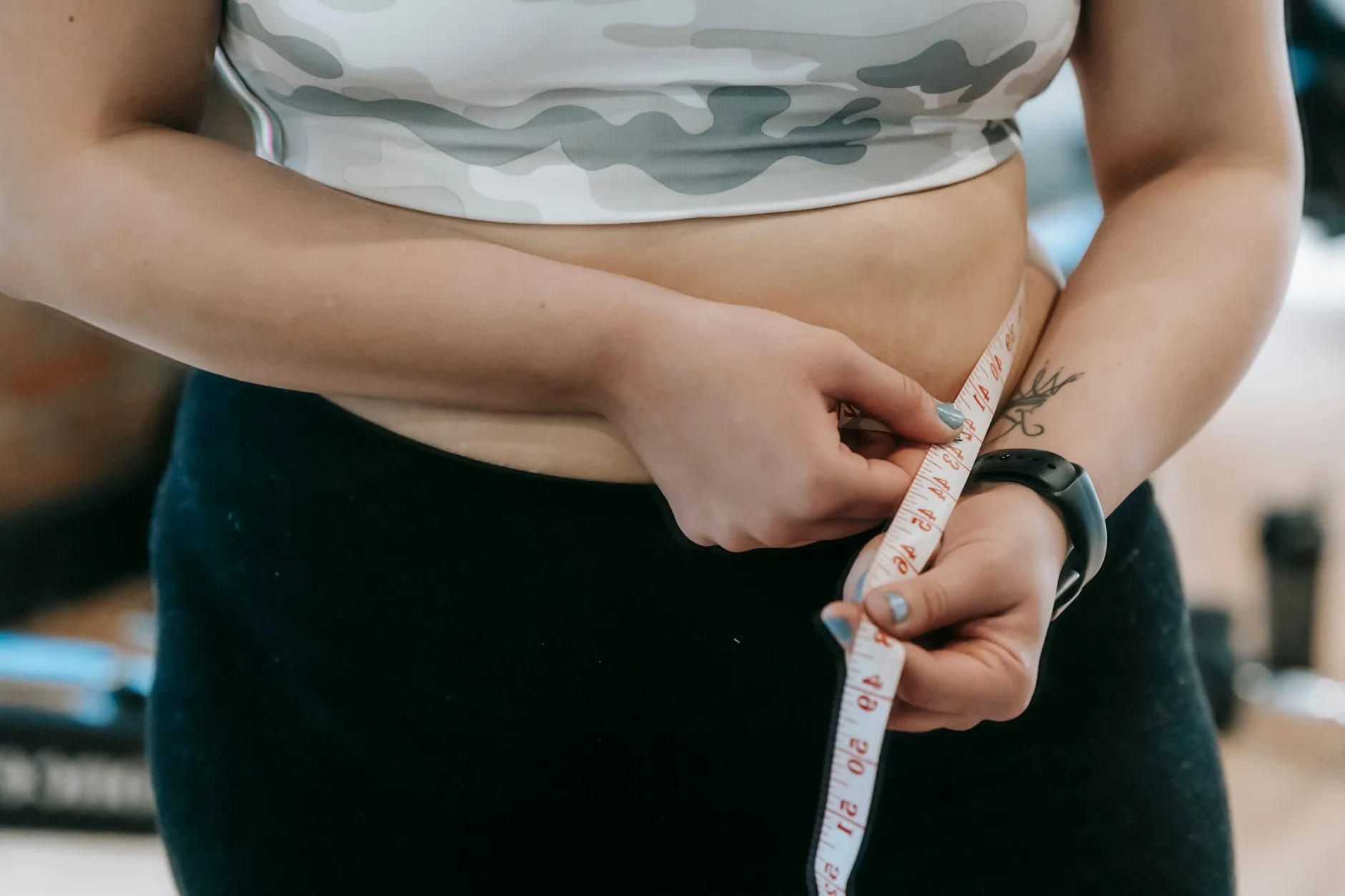
The key takeaway: Menopausal weight gain is caused mainly by falling estrogen, natural muscle loss, and a slower metabolism — not simply eating too much. These forces work together, which is why old diet habits stop working.
Estrogen influences where the body stores fat. As levels drop, fat migrates from the hips and thighs toward the abdomen, increasing visceral fat that surrounds internal organs.
At the same time, women lose roughly 3-8% of muscle mass per decade after 30, a process called sarcopenia. Since muscle burns more calories at rest than fat, less muscle means a lower daily calorie burn even before diet changes.
Research from the National Institutes of Health on menopause and metabolism confirms that the hormonal transition independently promotes central fat accumulation, separate from aging alone.
Why Do Old Diets Stop Working After 50?
The key takeaway: Calorie-cutting diets often backfire after 50 because severe restriction accelerates muscle loss, which slows metabolism further and creates a cycle of regain. The body defends its weight harder than it did at 35.
When calories drop too low, the body burns muscle alongside fat for energy. Losing muscle lowers resting metabolism, so weight loss stalls and returns quickly once normal eating resumes.
Hormonal changes also increase insulin resistance in many women, meaning carbohydrate-heavy meals raise blood sugar more sharply and encourage fat storage. This is why the same eating pattern that maintained weight at 40 can cause gain at 52.
The goal after 50 is not eating less of everything — it is eating differently to protect muscle and steady blood sugar.
What Are the Best Nutrition Solutions for Menopausal Weight Gain?

The key takeaway: Prioritizing protein, fiber, and stable blood sugar is more effective than cutting calories drastically. These menopausal weight gain solutions preserve muscle while reducing fat storage.
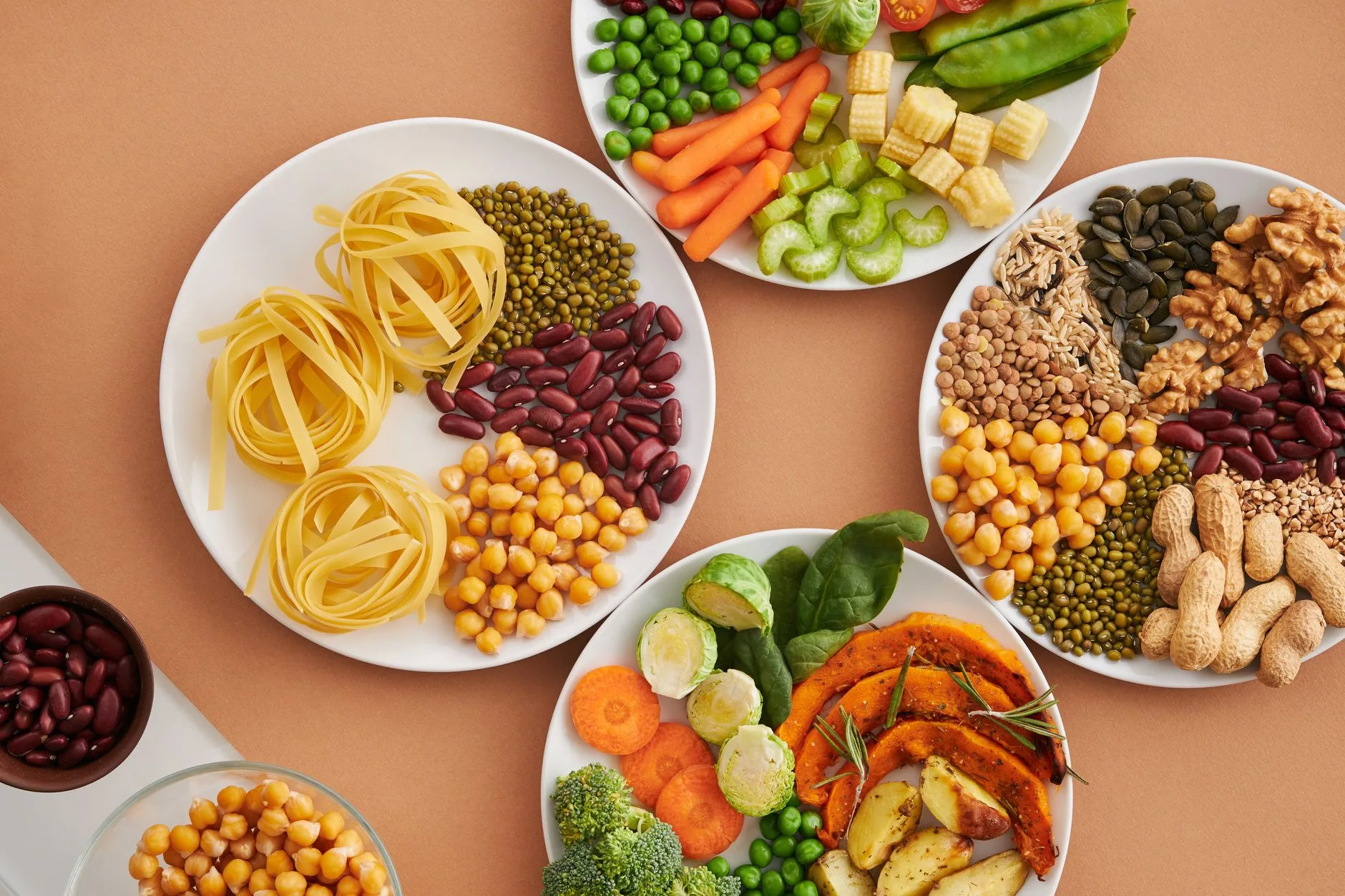
Protein is the foundation. Aim for 1.2-1.6 grams per kilogram of body weight, spread across meals to support muscle repair and increase satiety.
Fiber from vegetables, legumes, and whole grains slows digestion and steadies blood sugar. The Harvard T.H. Chan School of Public Health on dietary fiber links higher fiber intake to better weight management and metabolic health.
Practical dietary adjustments
- Start meals with protein and vegetables before carbohydrates.
- Replace refined grains with whole grains and legumes.
- Include healthy fats — olive oil, avocado, nuts — to support hormone balance.
- Limit added sugars and alcohol, which worsen belly fat storage.
- Stay hydrated; thirst is often mistaken for hunger.
Why Is Resistance Training the Most Powerful Solution?
The key takeaway: Resistance training is the single most effective exercise for menopausal weight gain because it rebuilds the muscle that keeps metabolism active. Cardio alone cannot replace it.
Lifting weights or using resistance bands signals the body to preserve and grow muscle, directly countering sarcopenia. More muscle raises resting metabolic rate, meaning you burn more calories around the clock.
Two to three sessions per week targeting major muscle groups is enough to see results. Research summarized by the American College of Sports Medicine shows strength training improves body composition and insulin sensitivity in postmenopausal women.
A simple starting framework
- Begin with bodyweight moves: squats, wall push-ups, glute bridges.
- Add light dumbbells or resistance bands as strength improves.
- Progress gradually — increase weight or repetitions every few weeks.
- Pair with daily walking for cardiovascular health.
How Do Sleep and Stress Affect Weight After Menopause?
The key takeaway: Poor sleep and chronic stress raise cortisol, a hormone that drives abdominal fat storage and increases cravings. Managing both is a core part of any weight strategy after 50.
Hot flashes and hormonal shifts commonly disrupt sleep during menopause. Insufficient sleep alters the hunger hormones ghrelin and leptin, increasing appetite the following day.
Elevated cortisol from ongoing stress specifically encourages fat storage around the midsection. Simple practices — consistent sleep schedules, breathing exercises, and reducing evening screen time — measurably help.
Where Do Metabolic Support Supplements Fit In?
The key takeaway: Supplements are a support tool, not a replacement for nutrition and exercise. Certain natural ingredients may help steady appetite and support metabolism when paired with lifestyle changes.
In our analysis of the menopause supplement category, we’ve found that the most credible products focus on realistic support — appetite regulation, blood sugar steadiness, and metabolic function — rather than promising dramatic overnight results.
We recommend evaluating any supplement by three markers: transparent ingredients, formulation designed for women over 50, and a satisfaction guarantee. Products built specifically for the menopausal metabolism, such as those using fiber-based approaches to promote fullness, align more closely with the science than generic fat burners.
Laellium is one example of a natural metabolic support formula developed specifically for women over 50, built around a gelatin-based approach intended to support fullness and steady metabolism as part of a broader routine.
Comparing the Core Solutions
The key takeaway: Each solution addresses a different root cause, which is why combining them outperforms relying on any single approach.
| Solution | Primary Benefit | Effort Level | Best For |
|---|---|---|---|
| Higher protein intake | Preserves muscle, boosts satiety | Low | Everyone over 50 |
| Resistance training | Raises resting metabolism | Moderate | Fighting muscle loss |
| Fiber & blood sugar control | Reduces fat storage | Low | Insulin resistance |
| Sleep & stress management | Lowers cortisol belly fat | Moderate | Poor sleepers |
| Metabolic support supplement | Appetite & metabolism support | Low | Complementary use |
Frequently Asked Questions
Can menopausal weight gain be reversed?
Yes, menopausal weight gain can be reduced and often reversed with consistent lifestyle changes. Combining resistance training, adequate protein, fiber-rich meals, and stress management preserves muscle and lowers abdominal fat over several months. Results are gradual but sustainable when the underlying causes are addressed rather than relying on crash diets.
Why is menopause belly fat so hard to lose?
Belly fat during menopause is stubborn because declining estrogen shifts fat storage to the abdomen and increases visceral fat that responds slowly to dieting. High cortisol from stress and poor sleep also concentrates fat in this area. Targeted strength training, blood sugar control, and better sleep are the most effective ways to reduce it.
How much protein should a woman over 50 eat to manage weight?
Most women over 50 benefit from 1.2 to 1.6 grams of protein per kilogram of body weight daily, spread across meals. For a 68 kg (150 lb) woman, that is roughly 80-110 grams per day. This intake supports muscle maintenance, which keeps metabolism active and improves fullness after meals.
Do natural supplements really help with menopausal weight gain?
Natural supplements can offer modest support for appetite and metabolism, but they are not a standalone solution. The most credible products are designed for women over 50, use transparent ingredients, and are used alongside proper nutrition and exercise. Always consult a healthcare provider before starting a new supplement, especially if you take medication.
How long does it take to see results after menopause?
Most women notice changes in energy and body composition within 4-8 weeks of consistent strength training and improved nutrition, with more visible fat loss over 3-6 months. Progress is slower than in earlier decades because metabolism has changed, so patience and consistency matter more than speed.
Conclusion
In summary: The best menopausal weight gain solutions work together — protein-rich nutrition, resistance training, quality sleep, stress control, and, where helpful, targeted metabolic support. No single change fixes weight after 50, but a combined approach addresses each hormonal and metabolic root cause.
The women who succeed stop treating this as a willpower failure and start treating it as a physiological shift that responds to the right strategy. Small, consistent adjustments compound into lasting results.
If you’re ready to put these strategies into practice, pairing your nutrition and training with a metabolic formula designed for women over 50 can make appetite control and consistency easier to maintain. Laellium was created for exactly this stage of life, using a natural gelatin-based approach to support fullness and metabolism alongside the habits covered in this guide.




One Comment
Comments are closed.