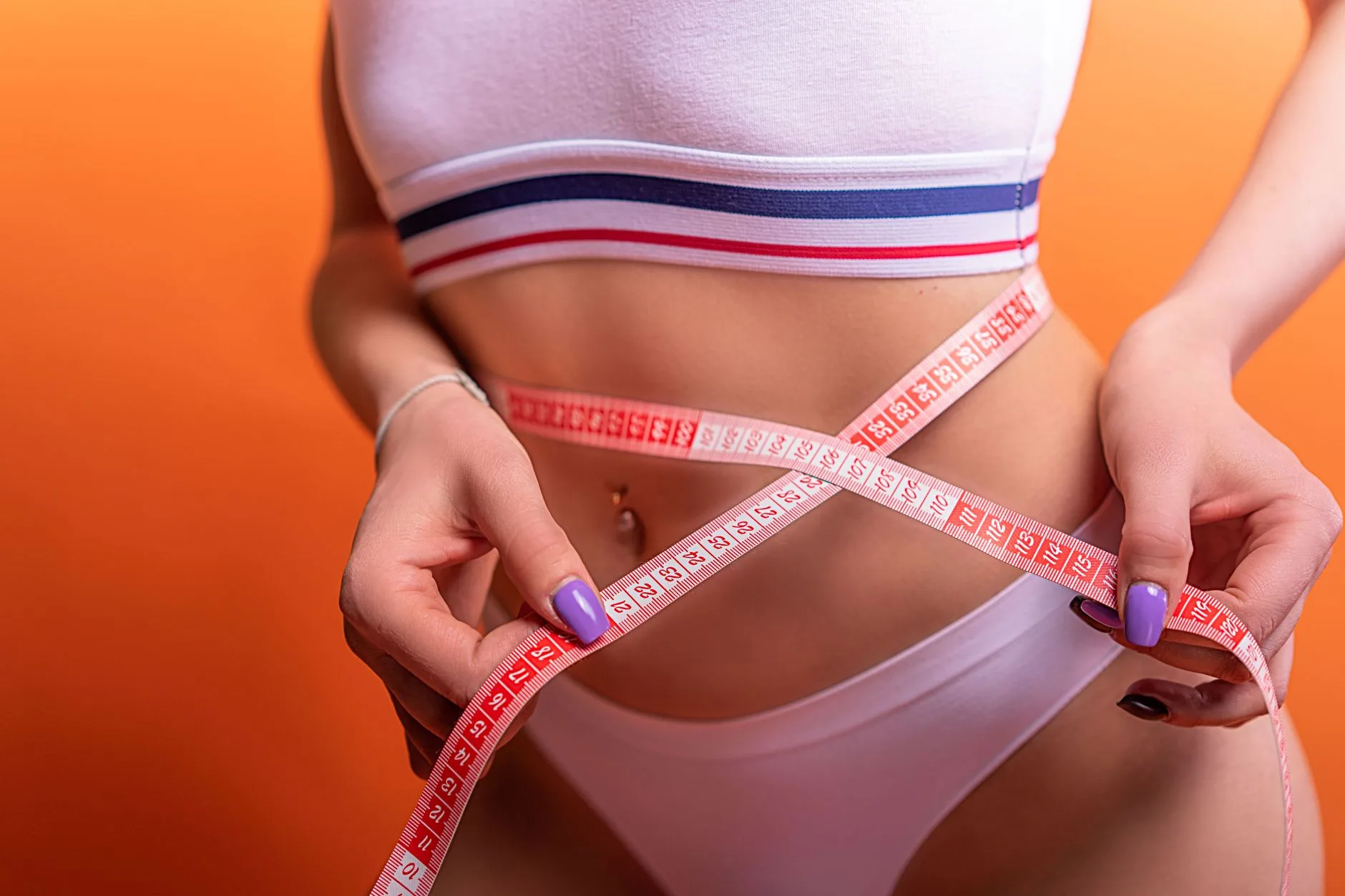
How does hormonal balance affect weight loss?
Hormonal weight loss for women explained: how estrogen, cortisol, insulin & thyroid affect fat storage after 40 — plus practical, science-backed steps.
Hormonal weight loss for women depends on how key hormones — estrogen, insulin, cortisol, thyroid, and leptin — regulate where fat is stored, how hungry you feel, and how fast you burn calories. When these hormones drift out of balance (especially during perimenopause and after 50), the body shifts toward storing abdominal fat and slowing metabolism, which is why calorie counting alone often stops working.
Key Takeaways
- Hormones control appetite, fat storage location, and metabolic rate — not just willpower.
- Declining estrogen during menopause pushes fat toward the abdomen and lowers resting metabolism.
- Chronic stress raises cortisol, which promotes belly fat and cravings for high-sugar foods.
- Insulin resistance makes the body store rather than burn energy, a common driver of stubborn weight after 40.
- Sleep, resistance training, protein intake, and fiber directly influence hormone balance and fat loss.
What Is Hormonal Weight Gain?
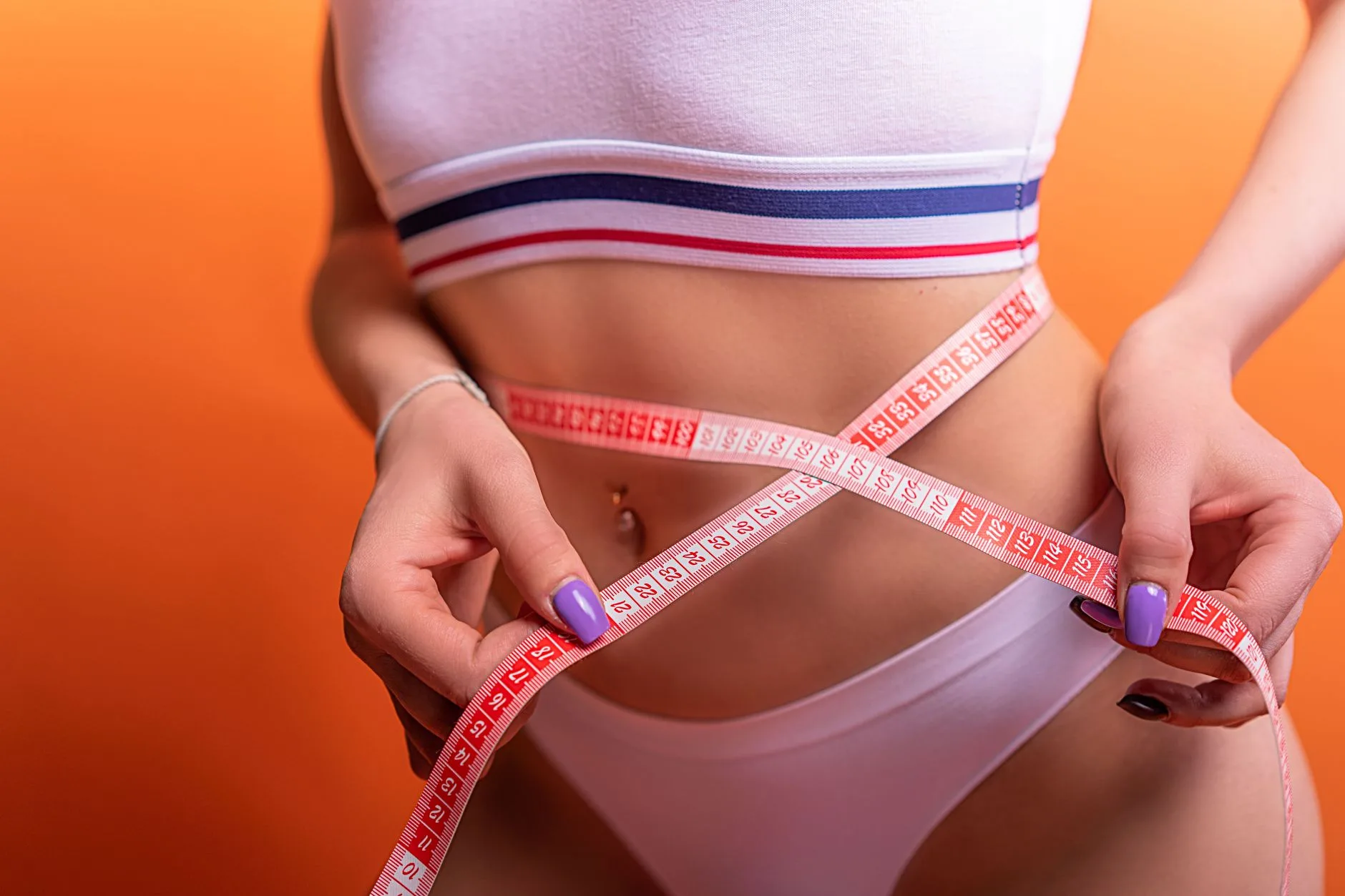
The key takeaway: Hormonal weight gain occurs when shifts in hormone levels — not overeating alone — change how your body stores fat and controls hunger.
Hormones are chemical messengers that tell your cells when to store energy, burn it, or signal hunger and fullness. When their levels change with age, stress, or medical conditions, the body can gain weight even without eating more.
This pattern is common in women during perimenopause and after 50, when several hormonal systems change at once. Understanding hormonal weight loss for women starts with identifying which hormone is out of balance.
The Main Hormones That Affect Weight Loss

The key takeaway: Five hormones do most of the heavy lifting when it comes to fat storage and appetite — estrogen, insulin, cortisol, thyroid hormones, and leptin.
Estrogen
Estrogen influences where fat is stored and helps regulate insulin sensitivity. As levels decline during menopause, fat tends to move from the hips and thighs to the abdomen, and resting metabolism often drops.
Research from the U.S. National Institute on Aging notes that hormonal changes during menopause are linked to shifts in body fat distribution and slower metabolism.
Insulin
Insulin manages blood sugar by moving glucose into cells. When cells stop responding well — a state called insulin resistance — the body stores more fat and finds it harder to burn it.
Diets high in refined carbohydrates and low in movement worsen insulin resistance over time, according to the U.S. Centers for Disease Control and Prevention.
Cortisol
Cortisol is the primary stress hormone. Chronically elevated cortisol from poor sleep or ongoing stress promotes abdominal fat storage and increases cravings for sugary, calorie-dense foods.
Thyroid Hormones
Thyroid hormones set the pace of your metabolism. An underactive thyroid (hypothyroidism) slows calorie burning and can cause weight gain, fatigue, and cold sensitivity.
Leptin and Ghrelin
Leptin signals fullness while ghrelin signals hunger. Poor sleep and processed diets can blunt leptin sensitivity, leaving you hungry even after eating enough.
| Hormone | Main Role | When Imbalanced |
|---|---|---|
| Estrogen | Fat distribution, insulin sensitivity | Abdominal fat, slower metabolism |
| Insulin | Blood sugar control | Increased fat storage, cravings |
| Cortisol | Stress response | Belly fat, sugar cravings |
| Thyroid | Metabolic rate | Weight gain, fatigue |
| Leptin | Fullness signal | Persistent hunger, overeating |
Why Weight Loss Gets Harder After 40 and 50

The key takeaway: After 40, declining estrogen, muscle loss, and reduced insulin sensitivity combine to lower daily calorie burn — so old strategies deliver smaller results.
Muscle is metabolically active tissue that burns calories at rest. From the 30s onward, women gradually lose muscle unless they train to maintain it, which lowers baseline metabolism.
Add declining estrogen and rising insulin resistance, and the body becomes more efficient at storing energy. This is the physiological reason a diet that worked at 35 may barely move the needle at 55.
For a deeper look at rebuilding metabolic rate at this stage, our guide on how to increase metabolism after 50 covers practical training and nutrition adjustments.
“After menopause, women experience a shift in fat storage from the hips and thighs to the abdomen, and this visceral fat is more metabolically harmful.”
— Dr. JoAnn Manson, Professor of Medicine, Harvard Medical School
How to Support Hormonal Balance for Weight Loss
The key takeaway: You cannot outsmart hormones with willpower alone, but you can influence them through sleep, protein, resistance training, fiber, and stress management.
Prioritize Protein and Fiber
Protein preserves muscle and increases satiety, helping regulate ghrelin and leptin. Fiber slows glucose absorption, which supports steadier insulin levels and reduces cravings.
Many women overlook how appetite-regulating nutrients affect daily intake — our overview of natural appetite suppressant ingredients explains which food components help most.
Build and Keep Muscle
Resistance training two to three times weekly counters age-related muscle loss and improves insulin sensitivity. It is one of the most effective levers for long-term hormonal weight loss for women.
Protect Your Sleep
Sleeping fewer than seven hours raises cortisol and ghrelin while lowering leptin, a combination that increases next-day hunger. A consistent sleep schedule is foundational for hormone balance.
Manage Chronic Stress
Ongoing stress keeps cortisol elevated, encouraging abdominal fat. Breathing practices, walking, and boundaries around workload help bring cortisol down over time.
Consider Targeted Nutritional Support
Certain natural ingredients can support metabolism and appetite control alongside lifestyle changes. For women weighing this route, our comparison of the best supplements for energy and metabolism lays out realistic expectations.
Our Editorial Perspective: The Overlooked Role of Meal Timing
The key takeaway: In our analysis, women who addressed when they ate — not only what — reported steadier energy and fewer cravings, because meal timing directly interacts with insulin and cortisol rhythms.
We’ve found that front-loading protein earlier in the day and avoiding late-night carbohydrate-heavy meals tends to align eating with the body’s natural insulin sensitivity, which is higher in the morning. This is an angle most calorie-focused advice ignores.
We recommend treating meal timing as a free, low-effort adjustment to test before adding complexity. It pairs well with the connective-protein approach discussed in the science behind the gelatin trick for weight loss.
Menopause-Specific Strategies
The key takeaway: Menopausal weight gain responds best to a combination of muscle preservation, blood-sugar-friendly eating, and stress reduction rather than aggressive calorie cutting.
Severe calorie restriction can further slow an already reduced metabolism and increase muscle loss. A moderate, protein-forward approach protects metabolic tissue.
For a focused breakdown, see our guide on the best solutions for menopausal weight gain.
Frequently Asked Questions
What is the best hormone to balance for weight loss in women?
There is no single hormone; insulin and cortisol are often the most impactful to address first because they respond quickly to diet, sleep, and stress changes. Estrogen and thyroid issues usually require medical evaluation before targeted action.
How do I know if my weight gain is hormonal?
Signs of hormonal weight gain include fat concentrating around the abdomen, weight gain despite stable eating habits, fatigue, cravings, and disrupted sleep. A blood panel from your doctor can confirm thyroid, insulin, and hormone levels.
Can balancing hormones alone cause weight loss?
Balancing hormones removes physiological roadblocks that make fat loss difficult, but sustainable results still require supportive habits like adequate protein, movement, and sleep. Think of hormone balance as unlocking the door rather than doing the walking.
Does menopause make weight loss impossible?
No. Weight loss is harder after menopause due to lower estrogen and muscle loss, but resistance training, protein intake, and blood-sugar management make it fully achievable with realistic timelines.
How long does it take to see results from hormone-focused changes?
Many women notice reduced cravings and better energy within two to four weeks of improving sleep and nutrition, while visible fat loss typically takes eight to twelve weeks of consistent habits.
Conclusion
In summary: Hormonal weight loss for women is less about eating less and more about correcting the hormonal signals — insulin, cortisol, estrogen, thyroid, and leptin — that dictate fat storage and appetite. Focusing on muscle, sleep, protein, fiber, and stress gives your body the conditions it needs to release stored fat.
These changes work together, and small, consistent adjustments outperform extreme diets over time. The goal is a metabolism that works with you rather than against you.
If you’ve recognized the hormonal patterns described here and want a supportive next step designed for this stage of life, Laellium is a natural metabolic-support formula created specifically for women over 50, built around the connective-protein principles behind the ‘Gelatin Trick.’ It’s meant to complement the sleep, protein, and movement habits covered in this guide — not replace them.