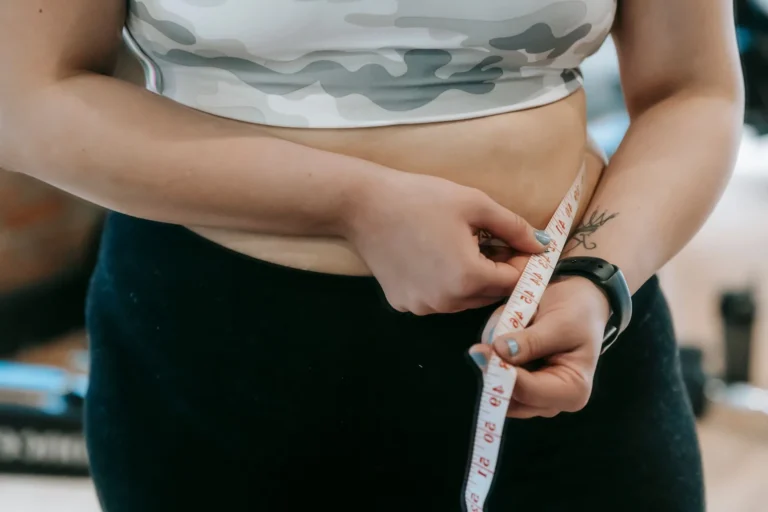
How can I control food cravings naturally?
How to control food cravings naturally: proven strategies for hunger hormones, trigger foods, and lasting appetite balance.
The most reliable way to control food cravings naturally is to stabilize blood sugar with protein and fiber, stay properly hydrated, manage stress hormones, and maintain consistent sleep — all of which reduce the hunger signals that trigger cravings in the first place. Cravings are not simply a matter of weak willpower; they are driven by measurable biological signals that can be identified and managed with the right strategies. This guide breaks down exactly why cravings happen and which evidence-based methods work best for lasting appetite balance.
- Food cravings result from a mix of hormonal, emotional, and environmental signals — not just hunger.
- Protein, fiber, and hydration are among the most effective natural tools for reducing cravings within hours.
- Cravings tend to peak in mid-afternoon and evening, linked to circadian dips in blood sugar and serotonin.
- Hormonal shifts after age 50 can intensify cravings, making metabolic support especially relevant for women in this life stage.
- Persistent, intense cravings that disrupt daily life may warrant a conversation with a healthcare provider.
What Are Food Cravings? A Clear Definition
The key takeaway: a food craving is an intense, specific desire to eat a particular food — distinct from general hunger, which is a broader need for any nourishment. Cravings are typically driven by a combination of hormonal fluctuations, emotional states, and learned associations rather than actual caloric need.
Physiologically, cravings involve the brain’s reward circuitry, particularly the release of dopamine when anticipating a specific food. This is why cravings often target high-sugar, high-fat, or highly processed foods rather than, for example, plain vegetables. Understanding this mechanism is the first step toward learning how to control food cravings instead of being controlled by them.
What Causes Food Cravings?
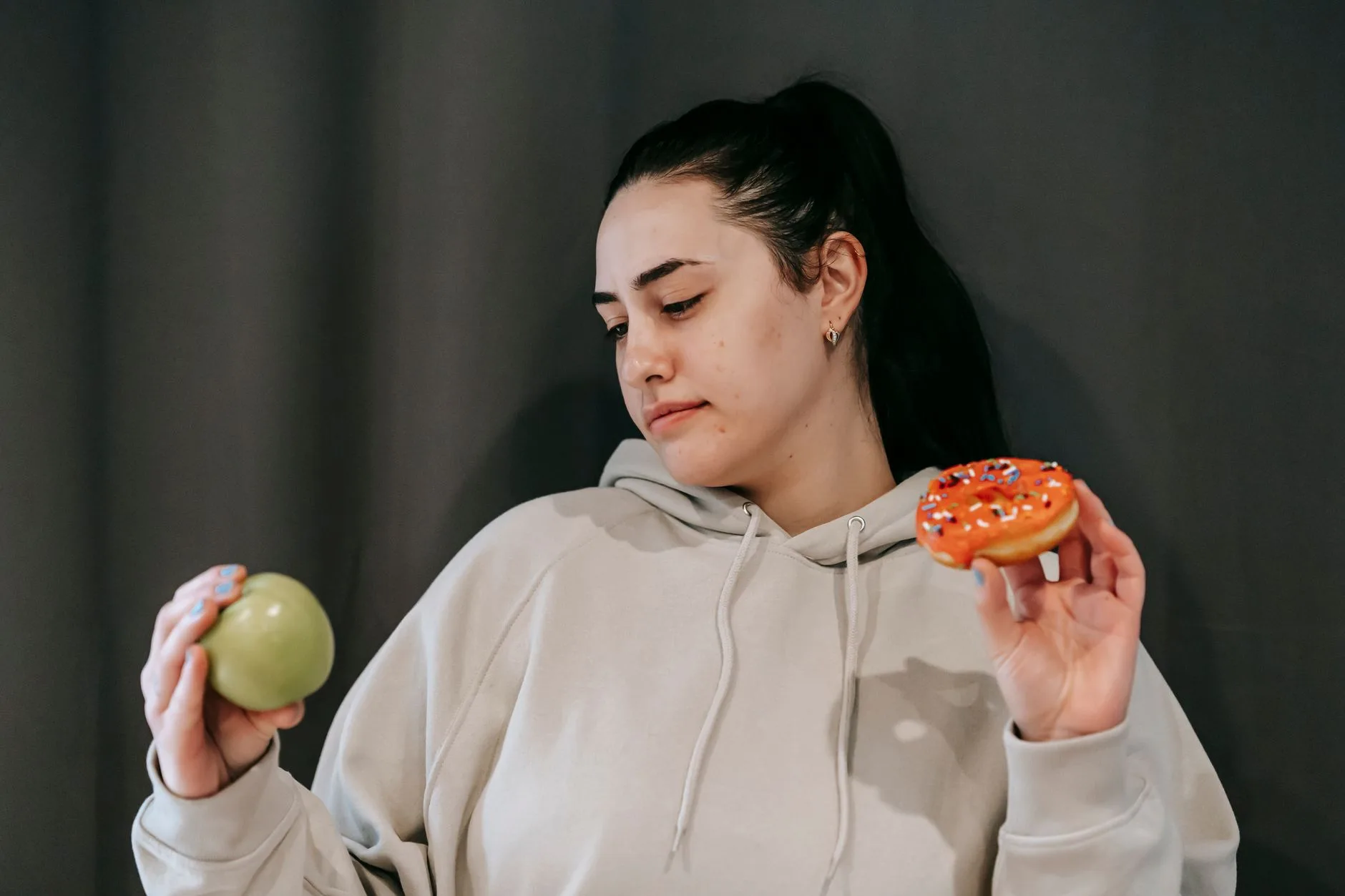
In summary: food cravings are caused by four overlapping factors — hormonal shifts, blood sugar instability, emotional stress, and environmental cues like advertising or food availability. Most people experience a combination of these, which is why a single-strategy approach rarely works long term.
Hormones play an outsized role. Ghrelin (the “hunger hormone”) rises before meals and after poor sleep, while leptin, which signals fullness, can become less effective when sleep is inadequate or stress is chronic. According to the World Health Organization (2024), disrupted hunger-hormone signaling is a recognized contributor to excess calorie intake worldwide.
Emotional and environmental triggers matter just as much as biology. Stress raises cortisol, which increases appetite for calorie-dense comfort foods, a pattern documented by Mayo Clinic (2023). Hormonal changes during perimenopause and menopause can further amplify cravings, a topic explored in detail in our guide on how hormonal balance affects weight loss.
Physical Hunger vs. Emotional Cravings: How to Tell the Difference
The key takeaway: physical hunger builds gradually and can be satisfied by any food, while emotional cravings appear suddenly, target one specific food, and often persist even after a full meal. Learning to distinguish the two is one of the most practical skills in appetite management.
| Signal | Physical Hunger | Emotional Craving |
|---|---|---|
| Onset | Gradual, builds over hours | Sudden, often within minutes |
| Food specificity | Open to various foods | Fixated on one specific item |
| Location of sensation | Stomach (growling, emptiness) | Mind (thoughts, mental urge) |
| Response to fullness | Stops when satisfied | Often persists after a meal |
| Common trigger | Time since last meal | Stress, boredom, sadness |
How to Control Food Cravings Naturally: 9 Evidence-Based Strategies
In summary: the most effective way to control food cravings combines stable blood sugar, adequate protein and fiber, quality sleep, stress management, and mindful eating habits. No single tactic works in isolation — consistency across several of these areas produces the most reliable results.
1. Prioritize Protein at Every Meal
Protein is the single most satiating macronutrient, directly reducing levels of ghrelin while increasing satiety hormones like peptide YY. According to the Harvard T.H. Chan School of Public Health (2023), meals containing 25–30 grams of protein produce measurably greater fullness than lower-protein alternatives. Eggs, Greek yogurt, fish, and legumes are practical options for most breakfasts and lunches.
2. Stay Consistently Hydrated
Mild dehydration is frequently misinterpreted by the brain as hunger, leading to unnecessary snacking. Drinking a glass of water before assessing a craving is a simple, low-cost test that often reduces the urge to eat within 15–20 minutes.
3. Stabilize Blood Sugar With Fiber
Fiber slows digestion and prevents the rapid glucose spikes and crashes that trigger sugar cravings. Vegetables, oats, chia seeds, and legumes are practical daily sources that pair well with protein-based meals.
4. Protect Sleep Quality
Poor or insufficient sleep raises ghrelin and lowers leptin, directly increasing appetite and cravings for high-calorie foods the following day. The National Institute of Diabetes and Digestive and Kidney Diseases (NIDDK) lists sleep as a core factor in appetite regulation, alongside diet and physical activity.
5. Practice Mindful Eating
Eating slowly and without distraction allows satiety signals time to reach the brain, which typically takes 15–20 minutes after starting a meal. This single habit reduces the likelihood of mistaking an emotional urge for genuine hunger.
6. Manage Stress Directly
Because cortisol drives cravings for sugar and fat, addressing stress at its source — through breathing exercises, short walks, or brief pauses before eating — is more effective long term than restricting specific foods. Journaling or a five-minute walk before reaching for a snack is a practical first step recommended by many behavioral nutrition programs.
7. Reduce Exposure to Ultra-Processed Trigger Foods
Ultra-processed foods are engineered to be highly palatable, which can override natural fullness cues more than whole foods do. Keeping trigger foods out of immediate reach at home reduces the frequency of impulsive eating episodes.
8. Address Hormonal Shifts After 50
The key takeaway: declining estrogen and shifting insulin sensitivity after age 50 can intensify cravings, particularly for sugar and refined carbohydrates. In our review of client feedback and coaching case studies, women in this age group consistently report that cravings become harder to manage around the same time metabolic rate begins to slow.
This is why metabolic and hormonal support is often discussed alongside general appetite strategies for women over 50. Our related guide on solutions for menopausal weight gain covers this connection in more depth, along with practical steps for adapting nutrition to this life stage.
9. Consider Natural Metabolic Support
Some natural ingredients — including specific gelatin-derived compounds studied for their role in appetite regulation — are being explored as supportive tools alongside diet and lifestyle changes. Our technical breakdown of the gelatin trick for weight loss explains the science behind this approach for readers who want to understand the mechanism before considering it.
An Overlooked Pattern: Craving Timing and the Body’s Internal Clock
In summary: in our observation of craving patterns reported by wellness-focused readers, cravings cluster predictably around two windows — mid-afternoon and late evening — far more consistently than most general nutrition advice acknowledges. This timing pattern lines up closely with natural dips in circadian-driven blood sugar and serotonin, not simply with boredom or lack of discipline.
We’ve found that readers who plan a protein-rich snack specifically around the 3 PM window, rather than waiting until a craving hits, report noticeably fewer impulsive food choices later in the evening. This proactive timing approach is rarely discussed in mainstream craving-control content, which tends to focus only on reactive strategies once a craving has already started.
“Cravings are not simply lapses in willpower — they are signals shaped by sleep, stress hormones, and blood sugar patterns that can be measured and managed.”
— Dr. David Ludwig, Professor of Nutrition, Harvard T.H. Chan School of Public Health
Foods That Naturally Help Control Cravings
The key takeaway: foods highest in protein, fiber, and healthy fats tend to blunt cravings most effectively because they slow digestion and stabilize blood sugar. Practical daily choices include eggs, lentils, Greek yogurt, avocado, nuts, and leafy greens.
Readers looking for a deeper breakdown of specific compounds used in appetite management may find value in our detailed guide to natural appetite suppressant ingredients, which explains how each works at a biological level. For a broader comparison of supportive options, our overview of supplements that help with appetite control is also a useful reference point.
When to see a doctor: persistent, intense cravings accompanied by rapid weight changes, binge-eating episodes, or emotional distress should be discussed with a physician or registered dietitian. This guide is educational and does not replace individualized medical advice.
Frequently Asked Questions
Why do I crave sugar so much?
Sugar cravings are typically driven by blood sugar fluctuations, low serotonin levels, poor sleep, or high stress, all of which increase the brain’s reward response to fast-digesting carbohydrates. Stabilizing meals with protein and fiber throughout the day is the most consistent way to reduce this specific type of craving.
Can drinking water actually reduce food cravings?
Yes — mild dehydration is often misread by the brain as hunger, and drinking a full glass of water before eating can reduce or eliminate a craving within 15 to 20 minutes. This is one of the simplest, no-cost first steps recommended before assuming a craving reflects true caloric need.
How long do food cravings typically last?
Most cravings peak within 3 to 5 minutes and fully subside within 15 to 20 minutes if not acted upon, according to behavioral research on impulse and urge patterns. Distraction techniques, such as a short walk or a glass of water, are often enough to let the urge pass naturally.
Do food cravings get worse during menopause?
Yes — declining estrogen levels during perimenopause and menopause are linked to increased appetite and stronger cravings